You are here: Home  AWAKEN Featured Soul Treks Blood Moon March 3, 2026: Prophecy, Meaning, and Predictions!
AWAKEN Featured Soul Treks Blood Moon March 3, 2026: Prophecy, Meaning, and Predictions!Break Free from Guilt That Follows You into Your 40's
- Details
- Written by AndiEl
- Views: 7757

Imagine this: You're in your mid-40s, staring at the ceiling at 3 a.m., replaying a loop of "what ifs" from two decades ago. Maybe you didn't chase that dream job in your 20s because fear held you back. Or perhaps you poured too much into a toxic relationship in your 30s, sidelining your own growth.
These moments feel like indelible stains—proof of your failures. The guilt gnaws at you, a constant whisper: You should have known better. You wasted your prime years.
This isn't just a personal anecdote; it's a shared human experience. Studies from the American Psychological Association show that midlife regret is epidemic, with over 70% of adults in their 40s reporting persistent guilt over past choices. It's the emotional equivalent of lugging around a backpack full of bricks: it slows you down, weighs on your relationships, and dims the joy of the present.
But here's the truth we'll unpack in this article: carrying this guilt isn't noble or redemptive—it's wrong. It doesn't honor the past; it poisons the future. And the good news? You can dismantle it, step by step, to reclaim the vibrant, unburdened life waiting in your 40s and beyond.
In the pages ahead, we'll explore why guilt from your younger years is a misguided response, how it traps you in a cycle of self-sabotage, and—most importantly—practical, evidence-based strategies to process it, forgive yourself, and move forward. By the end, you'll see that letting go isn't erasure; it's evolution.
The Nature of Guilt: A Double-Edged Sword
Guilt is evolution's gift and curse. At its core, it's a social emotion designed to keep us in check. When we violate our values or harm others, a twinge of guilt prompts correction—like apologizing after snapping at a loved one. Psychologists like June Tangney, author of Guilt and Children, describe it as "adaptive" in the short term: it fosters empathy and ethical behavior.
But chronic, retrospective guilt? That's where the blade turns inward. In your 20s and 30s, life is a whirlwind of trial and error. You're navigating uncharted territories—careers, romances, identities—often with incomplete maps. The prefrontal cortex, responsible for long-term planning and impulse control, doesn't fully mature until around age 25. Add societal pressures (think "hustle culture" glorifying nonstop achievement) and economic instability (student debt, gig economies), and it's no wonder decisions feel like gambles.
Fast-forward to your 40s, and hindsight sharpens everything. Daniel Kahneman's work on Thinking, Fast and Slow explains this: we overweight losses and undervalue gains, magnifying regrets. That "wasted" decade? It wasn't waste; it was data. Yet guilt reframes it as moral failure, turning survival into sin. Research links prolonged guilt to higher cortisol levels, increasing risks for anxiety, depression, and even heart disease. Carrying it doesn't make you a better person; it makes you a sicker one.
The Trap of Midlife Regret: Why Your 20s and 30s Weren’t Wasted
Picture Sarah, a composite of countless clients I've encountered in therapeutic settings. In her 20s, she partied too hard, racking up credit card debt instead of building savings. Her 30s blurred into a dead-end job and a divorce she initiated but now second-guesses. At 42, guilt is her shadow: I should have been more disciplined. I robbed my future self of stability.
This narrative is seductive because it's simple. But simplicity is the enemy of truth. Your younger self wasn't lazy or foolish; they were human, operating with the tools at hand. Brené Brown's research highlights "hindsight bias"—the illusion that past events were predictable. In reality, your 20s were for exploration, not perfection. Data from the Harvard Longitudinal Study shows that people who experiment widely in youth (even with failures) report higher life satisfaction later. Those detours built resilience, empathy, and wisdom you couldn't have gained from a straight path.
Moreover, guilt often stems from distorted comparisons. Social media amplifies this: curated feeds of peers' "highlight reels" make your messy 30s look like a solo flop. Yet those influencers? They edit out their own guilts. Yours feels unique and damning because it's yours—unfiltered, unshared. The real trap? Guilt freezes time. It convinces you that atonement means eternal penance, not growth.
Breaking Free: A Roadmap to Release Guilt and Embrace Your 40s
Releasing guilt isn't a one-night epiphany; it's a practice. Drawing from CBT: Cognitive Behavioral Therapy, ACT: Acceptance and Commitment Therapy, and mindfulness, here's a step-by-step guide to work through it.
Step 1: Name and Normalize the Guilt – Start by externalizing it through journaling. Write what your younger self did "wrong" and what pressures shaped it. Reframe "flaws" as contextual. Remember: everyone has a "lost decade." Yours doesn't define you; it's a chapter.
Step 2: Cultivate Self-Forgiveness – Write a letter to your younger self. Say, "I see how scared you were. You did the best with what you knew." Practice self-compassion daily. Research shows this reduces guilt’s hold and boosts motivation for change.
Step 3: Reframe and Redirect Energy – Label guilt as an old story, not a fact. Redirect energy toward present values—whether that’s building financial stability, nurturing relationships, or creative pursuits. Action breaks stagnation.
Step 4: Build a Guilt-Proof Future – Anchor in gratitude. End each day listing three wins from your past. Surround yourself with supportive peers and track your progress. Setbacks are data, not defeat.
You’ve carried this guilt long enough—like a penance for a crime you didn’t commit. In your 20s and 30s, you weren’t squandering potential; you were forging it. Now, in your 40s, the real crime would be letting those years eclipse this one.
Releasing guilt doesn’t erase history; it illuminates it as the foundation of your strength. The path forward? It’s not about perfection but presence. As you practice acknowledgment, compassion, action, and integration, you’ll notice the shift: sleep deepens, laughter returns, risks feel exciting again. You’ll mentor a younger colleague not from superiority, but solidarity—I get it; I was there.
You’re not broken; you’re blooming late, and that’s exquisite. Drop the backpack. Step into the light of now. Your future self—the one unscarred by yesterday’s shadows—thanks you already.
References:
American Psychological Association: Midlife Regret Studies
Daniel Kahneman – Thinking, Fast and Slow
Brené Brown – The Gifts of Imperfection
Martin Seligman – Positive Psychology Research
World Health Organization – Emotional Health Reports
© 2025 CrystalWind.ca & Author | Some Rights Reserved | Non-commercial sharing allowed with full attribution
| No modifications permitted | Awakening Souls Since 2008.
#CrystalWind #SpiritualJourney
Licensed under CC BY-NC-ND 4.0 – Copying allowed for non-commercial use with credit. No edits or derivatives.

Enjoyed this article? Continue your journey with AromaWorx – wellness & aromatherapy , and support us at Support Crystal Wind™ .
Share your thoughts below! 
Recommended Tools & Resources
As an Amazon Associate we earn from qualifying purchases.
Keep CrystalWind.ca free—your gift matters now!
Help us spread light today. Thank you, supporters!

Support CrystalWind
Free spiritual inspiration since 2008
Help keep CrystalWind free and growing with a small contribution.
Buy us a coffee
Donate with PayPal


Latest Articles


✨ Digital Treasures ✨
The Crystal Wind Oracle
58-card deck • Lisa Iris art • ⭐⭐⭐⭐⭐
58-card deck • Lisa Iris art • ⭐⭐⭐⭐⭐
Crystal Lover's Handbook
67 crystals A–Z • chakras • healing uses
67 crystals A–Z • chakras • healing uses
Alchemy of Consciousness
Shift your reality from the inside out
Shift your reality from the inside out
Messages from the Archangels
Channeled guidance for your path
Channeled guidance for your path
Starseed Field Guide
Your mission • your origins • your tribe
Your mission • your origins • your tribe
Crystal & Mineral Wallchart
50+ stones • quick-reference • printable
50+ stones • quick-reference • printable
Complete Zodiac Collection
12 Lisa Iris prints • frame it • gift it
12 Lisa Iris prints • frame it • gift it
Zazzle Shop
Prints • posters • puzzles • gifts
Prints • posters • puzzles • gifts
Support CrystalWind.ca
Keep the light on • you have our gratitude
Keep the light on • you have our gratitude
✦ CRYSTAL WIND™ NETWORK ✦
- ✦ AscensionPulse.com — Ascension News
- ✦ LisaIris.com — Visionary Art
- ✦ ReikiWorks.ca — Energy Healing
- ✦ AromaWorX.ca — Aromatherapy
- ✦ Universal.net — Connecting the World
- ✦ NoBody.com — Be a Nobody

The Physical Card Deck
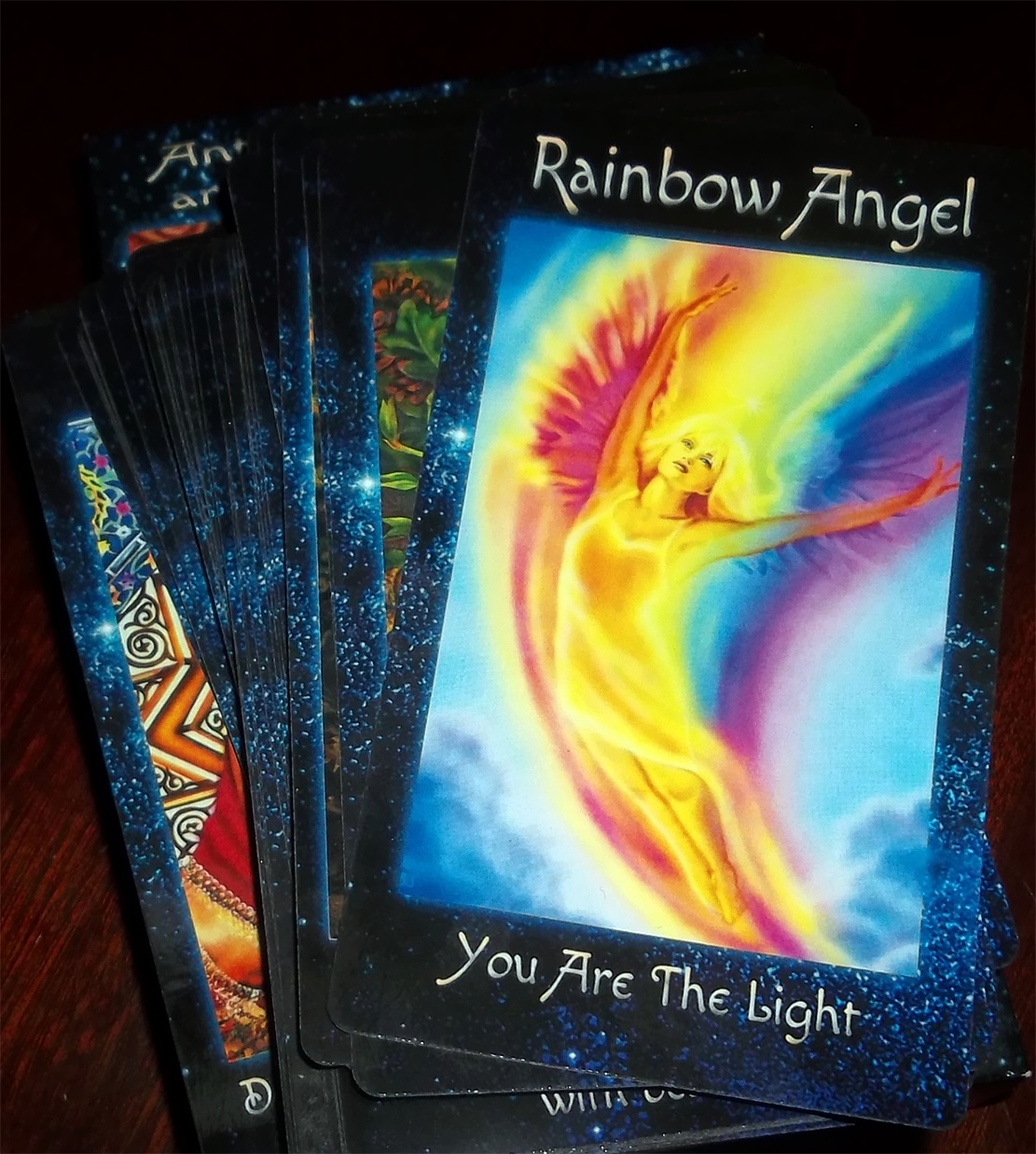
Dive into the Mystical World of the Crystal Wind Oracle Deck! Get All the Enchanting Details Now!
Grab Your Deck Now!NEW Expanded Boxed Edition!
Now with 58 Cards for Richer Wisdom!
The Mobile App
Shatter Illusions - Gain Clarity Now!
Instant Access On:
New! 53-Card Deck for Deeper Wisdom
See What Users Are Raving About!



Quake Watch
Thank You for Visiting CrystalWind!
We’re honored to be part of your journey.
Let’s grow together!
If this space has been meaningful, support it here.
Featured This Month
Page:
Harvest Moon

“Discover how these totems foster balance” ~Crystal Wind Standing at the thre... Read more
Virgo's Featured Stone - Sugilite
“Discover how sugilite builds lasting confidence” ~Crystal Wind In the realm ... Read more
Peridot: The Healer's Stone
Peridot has been used as a Power Stone for centuries. Peridot fosters emotio... Read more
Mabon Magic: Ideas For Fall Decoration And R…

Welcome to the season of Fall! As we turn the Great Wheel toward autumn in t... Read more
Mabon in Modern Times: Fresh Takes on the Au…

The Mabon season begins somewhere around the 21st-22nd of September and cont... Read more

Crystals for Virgo

As the warmth of summer begins to soften into the crispness of autumn, the Sun... Read more
The Vine: September 2nd - September 29th

“Discover how swan grace steadies restless hearts” ~Crystal Wind As the wheel... Read more
Sweet Violet

“Discover how violets awaken faithful heart powers” ~Crystal Wind These quiet... Read more
Virgo Mythology

“Discover why Virgo embodies pure self-sufficiency” ~Crystal Wind The ancient... Read more
Sun in Virgo

“Discover how order becomes living grace” ~Crystal Wind This long-form Virgo ... Read more

Birth Totem - Bear

“Discover why Bear totem brings deep wisdom” ~Crystal Wind Read Time: 6 min |... Read more
Watermelon Tourmaline

“Discover how rare crystals heal the heart” ~Crystal Wind This rare variety o... Read more