
Parallel Yous: Your Other Lives Are Merging
- Details
- Written by Morgan C. Rhodes
- Views: 18250

By Morgan C. Rhodes – freelance science journalist and former lecturer in philosophy
Exclusive to CrystalWind.ca
The notion that we might live not just one existence, but countless parallel lives, has fascinated humanity for generations.
Today, what was once a speculative idea confined to the pages of science fiction is being scrutinized by physicists, philosophers, and neuroscientists alike. Are we truly alone in our experience, or are our other selves pursuing alternate destinies—perhaps even brushing up against our own reality?
The Science of the Multiverse and Many-Worlds
To unravel this enigma, we must start with quantum mechanics. At its core lies the Many-Worlds Interpretation (MWI), pioneered by Hugh Everett and later championed by Max Tegmark. The MWI posits that every quantum event with multiple possible outcomes actually causes the universe to split, creating a separate branch for each possibility [1]. For every decision—no matter how trivial—a new strand of reality emerges, containing a version of you who chose differently. Supporters argue that this is the most straightforward way to explain quantum phenomena, avoiding the need for mysterious collapses or hidden variables [2].
Yet the implications are not just theoretical. In recent years, some physicists have proposed that these worlds might not be as isolated as previously thought. Theoretical possibilities such as quantum leaks or interference between branches have been described, hypothesizing subtle interactions that could account for phenomena like déjà vu, unexplained insights, or the occasional uncanny coincidence [4]. While direct evidence is lacking, the mathematics of quantum entanglement and nonlocality provides a foundation for these radical ideas—and if ever confirmed, such effects could revolutionize our understanding of physics, consciousness, and even fate.
Psychology, Identity, and the Power of What-If
These theories have profound psychological ramifications. Research indicates that considering "what if" scenarios and alternate lives can foster greater psychological flexibility and creativity. People who regularly contemplate parallel outcomes may feel empowered by the notion that every lost opportunity is realized somewhere, in some other version of themselves [5]. But there’s a dark side: an endless focus on alternate possibilities can also breed regret, anxiety, and indecision. If every choice leads to a new reality, no choice is ever truly final—making it harder to accept and move on from life’s inevitable imperfections.
Psychologists argue that reflecting on alternate lives can increase empathy, allowing us to appreciate the multitude of factors shaping every individual’s path. Yet, an obsession with what could have been may feed into rumination and mental fatigue, especially in a world overloaded with choices. This double-edged sword is at the heart of the “parallel yous” phenomenon: it can inspire us or trap us, depending on how we engage with the concept.
Neuroscience and the Fluidity of the Self
Neuroscience reveals that the boundary between real and imagined is more permeable than we assume. The Neuronal World Model suggests our brains are constantly constructing “virtual realities,” simulating not only the present, but also countless alternate futures and pasts [6]. The neural process of imagining what might have been is strikingly similar to that of recalling what actually was. This cognitive flexibility lets us learn from experience, but it also means our sense of self is fluid, shaped as much by what we imagine as by what we remember.
Experiments in virtual reality and cognitive neuroscience show how easily the brain can be convinced of alternate selves or realities [7]. This plasticity is not just fascinating—it may be at the heart of our ability to adapt, empathize, and even “merge” psychologically with our alternate possibilities. Some researchers in quantum cognition now suggest the brain may, in a metaphorical sense, access or process traces of information from these parallel selves when making decisions, though the precise mechanisms remain a subject of debate and further study.
Cultural Shifts and the Merging of Possibilities
As the multiverse concept permeates both popular and academic discourse, our collective identity is shifting. More people embrace the idea that identity is not fixed, but a constellation of possibilities. The stories we tell—about missed opportunities and roads not taken—become not just regrets, but sources of meaning and motivation. In this sense, the merging of parallel lives is not only a theoretical or neurological event, but a lived, cultural experience. Every time we change, grow, or imagine ourselves differently, we enact the convergence of our many possible selves.
So, are our other lives really merging? The most authoritative answer from science is nuanced. In a literal, physical sense, full merging of universes remains unproven and controversial. But psychologically and philosophically, the boundaries between our “real” and “possible” selves are porous and dynamic. The multiverse may be as much a state of mind as an objective reality—a powerful framework for understanding human complexity, growth, and the mystery of self.
Embracing this broader perspective can be profoundly empowering. Rather than being haunted by “what if,” we can celebrate the richness of our inner worlds, make better decisions, foster compassion, and find meaning in both ordinary and extraordinary moments. New research and evolving quantum theory may one day reveal that the boundaries between parallel lives are not walls, but windows—portals to greater insight, creativity, and perhaps even connection with our other selves.
Curious about your other selves? How has the concept of parallel lives changed your perspective, or helped you navigate difficult decisions? Share your story below, and subscribe to our newsletter for more in-depth explorations of science, consciousness, and the mysteries of reality.
Disclaimer: This article is for informational purposes only and does not constitute scientific advice. Theories discussed are speculative and not all are accepted by mainstream science. Always consult a qualified expert for matters relating to mental health or quantum physics.
About the Author:
Morgan C. Rhodes is a freelance science journalist and former lecturer in philosophy of mind. Morgan specializes in writing about neuroscience, consciousness, and quantum theory—always striving to make the complex dazzlingly clear for readers everywhere.
Morgan C. Rhodes is a freelance science journalist and former lecturer in philosophy of mind. Morgan specializes in writing about neuroscience, consciousness, and quantum theory—always striving to make the complex dazzlingly clear for readers everywhere.
© 2025 CrystalWind.ca & Author | All Rights Reserved | Awakening Souls Since 2008.
#CrystalWind #SpiritualJourney

Enjoyed this article? Continue your journey with AromaWorx – wellness & aromatherapy , and support us at Support Crystal Wind™ .
Share your thoughts below! 
Recommended Tools & Resources
As an Amazon Associate we earn from qualifying purchases.
Keep CrystalWind.ca free—your gift matters now!
Help us spread light today. Thank you, supporters!

Support CrystalWind
Free spiritual inspiration since 2008
Help keep CrystalWind free and growing with a small contribution.
Buy us a coffee
Donate with PayPal


Latest Articles


✨ Digital Treasures ✨
The Crystal Wind Oracle
58-card deck • Lisa Iris art • ⭐⭐⭐⭐⭐
58-card deck • Lisa Iris art • ⭐⭐⭐⭐⭐
Crystal Lover's Handbook
67 crystals A–Z • chakras • healing uses
67 crystals A–Z • chakras • healing uses
Alchemy of Consciousness
Shift your reality from the inside out
Shift your reality from the inside out
Messages from the Archangels
Channeled guidance for your path
Channeled guidance for your path
Starseed Field Guide
Your mission • your origins • your tribe
Your mission • your origins • your tribe
Crystal & Mineral Wallchart
50+ stones • quick-reference • printable
50+ stones • quick-reference • printable
Complete Zodiac Collection
12 Lisa Iris prints • frame it • gift it
12 Lisa Iris prints • frame it • gift it
Zazzle Shop
Prints • posters • puzzles • gifts
Prints • posters • puzzles • gifts
Support CrystalWind.ca
Keep the light on • you have our gratitude
Keep the light on • you have our gratitude
✦ CRYSTAL WIND™ NETWORK ✦
- ✦ AscensionPulse.com — Ascension News
- ✦ LisaIris.com — Visionary Art
- ✦ ReikiWorks.ca — Energy Healing
- ✦ AromaWorX.ca — Aromatherapy
- ✦ Universal.net — Connecting the World
- ✦ NoBody.com — Be a Nobody

The Physical Card Deck
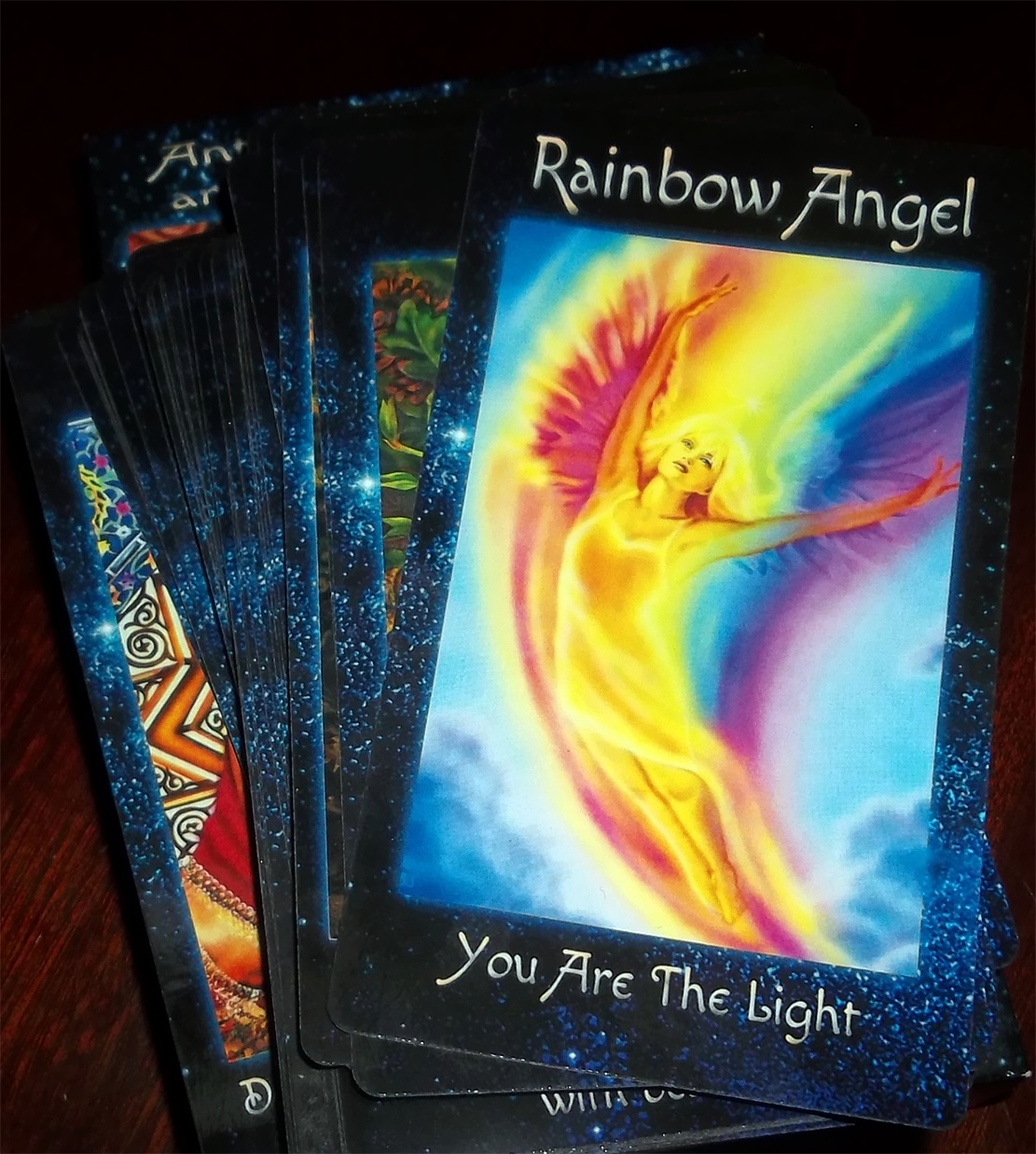
Dive into the Mystical World of the Crystal Wind Oracle Deck! Get All the Enchanting Details Now!
Grab Your Deck Now!NEW Expanded Boxed Edition!
Now with 58 Cards for Richer Wisdom!
The Mobile App
Shatter Illusions - Gain Clarity Now!
Instant Access On:
New! 53-Card Deck for Deeper Wisdom
See What Users Are Raving About!



Quake Watch
Thank You for Visiting CrystalWind!
We’re honored to be part of your journey.
Let’s grow together!
If this space has been meaningful, support it here.
Featured This Month
Page:
Crystals for Virgo
As the warmth of summer begins to soften into the crispness of autumn, the Sun... Read more
Peridot: The Healer's Stone
Peridot has been used as a Power Stone for centuries. Peridot fosters emotio... Read more
Watermelon Tourmaline
“Discover how rare crystals heal the heart” ~Crystal Wind This rare variety o... Read more
Mabon in Modern Times: Fresh Takes on the Au…

The Mabon season begins somewhere around the 21st-22nd of September and cont... Read more
Mabon Magic: Ideas For Fall Decoration And R…
Welcome to the season of Fall! As we turn the Great Wheel toward autumn in t... Read more
Birth Totem - Bear

“Discover why Bear totem brings deep wisdom” ~Crystal Wind Read Time: 6 min |... Read more
Virgo Mythology
“Discover why Virgo embodies pure self-sufficiency” ~Crystal Wind The ancient... Read more
Virgo's Featured Stone - Sugilite
“Discover how sugilite builds lasting confidence” ~Crystal Wind In the realm ... Read more
The Vine: September 2nd - September 29th
“Discover how swan grace steadies restless hearts” ~Crystal Wind As the wheel... Read more
Harvest Moon
“Discover how these totems foster balance” ~Crystal Wind Standing at the thre... Read more
Sun in Virgo
“Discover how order becomes living grace” ~Crystal Wind This long-form Virgo ... Read more
Sweet Violet
“Discover how violets awaken faithful heart powers” ~Crystal Wind These quiet... Read more