You are here: Home  AWAKEN Featured Soul Treks The Shocking Truth About Why Bells Are Vanishing Worldwide
AWAKEN Featured Soul Treks The Shocking Truth About Why Bells Are Vanishing WorldwideExploring the Depths of Prayer and Meditation
- Details
- Written by And-El
- Views: 1600
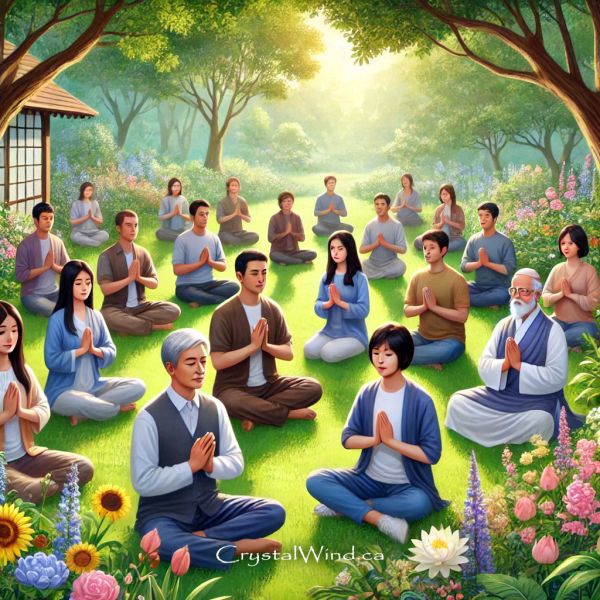
In an era where the digital cacophony often drowns out the whispers of our inner selves, prayer and meditation stand as gentle reminders of our need for peace, reflection, and spiritual connection.
These ancient practices are not just relics of the past but vibrant, living methods for achieving mental clarity, emotional stability, and spiritual enlightenment. This comprehensive article explores the multifaceted dimensions of prayer and meditation, detailing their historical roots, philosophical underpinnings, practical applications, and the profound impact they can have on modern life.
What is Prayer?
Prayer, at its core, is a form of communication with what some might call the divine, the universe, or a higher power. It's an intimate dialogue that transcends the boundaries of language, where words can be spoken or silent, formal or spontaneous.
- Supplication: This form of prayer is about asking for help, guidance, or intervention. When life's storms rage, supplication becomes a beacon of hope, a way to express one's vulnerabilities and needs. It might be a plea for personal healing, success in endeavors, or relief from suffering. It's not merely asking; it's an act of surrender, acknowledging one's limitations and the power of something beyond oneself. Across cultures, supplication can be seen in moments like beseeching rains during a drought, asking for peace in times of war, or seeking personal health.
- Praise: Praise in prayer is an outpouring of admiration, often vocalized through hymns, chants, or silent acknowledgment. It's about recognizing the greatness, beauty, or benevolence of the divine. In Christianity, for example, hymns like "How Great Thou Art" encapsulate this sentiment. In Islam, part of the daily prayer involves praising Allah's attributes. Praise elevates the spirit, shifting focus from the mundane to the sublime, fostering a sense of awe and gratitude that can transform one's daily outlook.
- Thanksgiving: Thanksgiving is the act of expressing gratitude, acknowledging the blessings received, big or small. It can be a simple thank you for daily sustenance, for love and relationships, or for overcoming obstacles. This form of prayer cultivates an attitude of appreciation, which psychological studies have linked to increased happiness and well-being. In many cultures, there are specific times or rituals dedicated to giving thanks, like Thanksgiving in North America or the Jewish festival of Sukkot, which celebrates the harvest.
- Intercession: Intercession is praying on behalf of others, embodying empathy and community. It's a powerful demonstration of love, where one takes upon themselves to pray for the welfare, healing, or peace of others. This could be for family, friends, or even strangers or enemies, reflecting a deep connection to humanity. In Christianity, intercessory prayer is a staple, often forming part of communal worship, while in Buddhism, prayers can be made for the liberation of all sentient beings from suffering.
- Meditative or Contemplative Prayer: This form of prayer blends the act of prayer with meditative silence, focusing on being rather than doing. It's about sitting in the presence of the divine, using silence or repetitive phrases to deepen one's spiritual connection. In Christianity, this might look like Christian Meditation or Lectio Divina, where one meditates on scripture. In Islam, the Sufi practice of Zikr involves repeating the names of God to transcend to a state of spiritual awareness. This form of prayer encourages introspection, self-discovery, and a direct experience of the divine, beyond words.
Religious Contexts of Prayer
The practice of prayer varies widely across different religious landscapes:
- In Christianity, prayer can take many forms, from the communal recitation of the Lord's Prayer to deeply personal, spontaneous conversations with God. The Psalms, for instance, provide a poetic framework for prayer, encompassing all the forms mentioned above. Prayer in Christianity isn't just about asking; it's about relationship, confession, and communion. The practice can be solitary or communal, in churches, homes, or nature, reflecting the omnipresence of God in Christian theology.
- Islam mandates Salah, the five daily prayers, as a fundamental pillar of faith. These prayers are not only a time for supplication but also for reflection, performed at specific times with specific postures and recitations, aligning the believer's day with moments of spiritual connection. Salah is a physical, verbal, and mental act of worship, reminding Muslims of their purpose and submission to Allah. It's a discipline that structures daily life around spiritual awareness.
- Judaism integrates prayer into daily life with services like Shacharit (morning), Mincha (afternoon), and Maariv (evening). These services include blessings, hymns, and readings from the Torah, creating a rhythm of daily spiritual practice. Jewish prayer involves both fixed texts and personal supplications, allowing for individual expression within a structured framework. The Shema, a declaration of faith, is a central prayer, recited morning and night, emphasizing monotheism and God's unity.
- Hinduism employs mantras and bhajans as forms of prayer. Mantras are sacred sounds or phrases believed to have spiritual power, used to concentrate the mind or invoke divine energies. Bhajans, on the other hand, are devotional songs that express love and devotion to deities, often performed in groups, creating a communal atmosphere of worship. Both practices are part of Hindu rituals, where the act of chanting can lead to a meditative state, transcending the mundane to connect with the divine.
What is Meditation?
Meditation, by contrast, is often described as the art of being present. It's about training the mind to achieve a state of concentration and awareness, where one can observe thoughts and feelings without attachment or judgment.
- Mindfulness Meditation: Mindfulness teaches one to be fully engaged with the present moment, noticing sensations, thoughts, and emotions as they arise and pass away. It's about cultivating a non-reactive awareness of one's inner and outer worlds. This practice, rooted in Buddhist tradition, has been adapted into secular contexts, becoming a tool for stress reduction and mental health. Mindfulness meditation involves observing the breath, body sensations, or external sounds, promoting a state of mental clarity and emotional peace.
- Transcendental Meditation: This technique uses the repetition of a mantra to transcend normal waking consciousness into a state of restful alertness. It's believed to provide deep physical and mental rest while facilitating personal growth. Developed by Maharishi Mahesh Yogi, TM has a scientific basis with numerous studies highlighting its benefits on reducing stress, anxiety, and even improving cardiovascular health. The mantra, chosen specifically for each individual, is used to go beyond thought to a pure state of awareness.
- Guided Meditation: Employs visualization, narratives, or instructions from a guide to lead one through a meditative experience. It can be particularly effective for beginners or those seeking structured guidance. Guided meditations might take you through a journey, perhaps to a place of peace, or focus on specific areas like healing, relaxation, or self-esteem. This form can be found in apps, videos, or live sessions, making meditation accessible even to those who find silence challenging.
Cultural Practices of Meditation
Meditation's practice spans across cultures, each with unique methodologies:
- In Buddhism, meditation like Vipassana aims at insight into the true nature of reality. It involves observing sensations in the body to understand the impermanence of all phenomena, leading to wisdom. Vipassana retreats are known for their rigor, involving days of silence and meditation, where practitioners confront their minds directly. This practice is not just about peace but about liberation from the cycle of suffering.
- Yoga, from the Hindu tradition, includes meditation as one of its eight limbs. Here, meditation (Dhyana) follows breath control (Pranayama) and physical postures (Asanas), aiming for a state of Samadhi, or union with the divine. Yoga meditation is deeply intertwined with the philosophy of Yoga, seeking not just physical health but spiritual awakening. Techniques like Trataka (gazing meditation) or Antar Mouna (inner silence) are used to still the mind.
The Intersection of Prayer and Meditation
The lines between prayer and meditation often blur, especially in practices where one leads into the other:
- Contemplative Prayer in Christianity might start with words but often leads to a silent, meditative communion with God, focusing on divine presence rather than petition. It's about being with God, listening rather than speaking, and can involve meditation on scripture or simply resting in God's presence.
- Mantra Meditation in various traditions mirrors prayer by using sacred sounds, creating a meditative state that can feel like a prayerful connection to the divine. Whether it's the Christian Jesus Prayer or the Hindu repetition of "Om", mantras serve to focus the mind, elevate consciousness, and connect with the spiritual.
Benefits of Prayer and Meditation
The benefits of these practices are both immediate and long-term:
- Mental Health: They can reduce symptoms of stress, anxiety, and depression, increase self-awareness, and promote a state of calm and well-being. Meditation, in particular, has been shown to alter brain structures associated with emotional regulation, focus, and self-reflection. Prayer can provide comfort, reduce feelings of loneliness, and foster a sense of connection to something greater.
- Physical Health: Regular practice can lead to decreased blood pressure, improved sleep patterns, and enhanced immune function. The relaxation response elicited by meditation can have profound physical effects, counteracting the stress response. Prayer has also been linked to lower rates of illness, possibly due to the peace of mind and stress reduction it brings.
- Spiritual Growth: Both practices encourage a deeper existential understanding, fostering a sense of peace, purpose, and connection to something larger than oneself. They can lead to spiritual experiences, insights, or a transformation in how one views life, death, and the nature of existence.
Practical Integration into Daily Life
Integrating prayer or meditation into one's routine requires intention but can be surprisingly simple:
- Morning Routine: Start the day with a prayer or meditation session to set intentions and cultivate a sense of peace before the day's demands take over. This could involve a moment of silence, reading from sacred texts, or a short meditation focusing on gratitude or purpose.
- Evening Reflection: Use these practices to unwind, reflect on the day, or prepare for sleep, enhancing restfulness. A prayer of thanks for the day or a meditation on releasing the day's stress can transition one from activity to rest, improving sleep quality.
- Micro-Meditations: Even a few minutes of mindful breathing or a short prayer during breaks can reset one's mental state, particularly useful in busy schedules. These can be done at work, in transit, or during moments of waiting, turning potential stress into opportunities for peace.
- Creating a Sacred Space: Even a small corner can become a sanctuary for these practices. Personalize it with items that inspire tranquility or spiritual connection, like candles, religious icons, or natural elements. This dedicated space can signal to the mind that it's time to shift gears into contemplation or prayer.
Challenges and Overcoming Them
- Distractions: The modern environment is rife with interruptions. Techniques like focusing on breath or using sensory aids (like incense or sound bowls) can help maintain focus. Setting specific times for practice or using apps with gentle reminders can mitigate the pull of daily distractions.
- Time Management: It's not about length but consistency. Even short sessions are beneficial. Integrating meditation or prayer into existing routines (like after brushing teeth) can help. For those with little time, consider practices like one-breath meditation or micro-prayers throughout the day.
- Skepticism: Reading about the science behind meditation, joining classes, or connecting with a spiritual community can provide the motivation or evidence needed to continue. Personal experience often becomes the most compelling argument for the benefits of these practices.
Cultural Sensitivity in Practice
When exploring practices from different cultures or religions:
- Educate Yourself: Understand the significance and context of the practices. This respect leads to a more authentic and beneficial experience. Read books, attend workshops, or engage with practitioners to deepen your understanding.
- Engage Respectfully: Avoid superficial or commercialized use of these practices. Participate with an open heart and mind, valuing the cultural heritage from which they come. Recognize that these practices have deep roots and should not be reduced to mere trends.
- Seek Authentic Guidance: If possible, learn from practitioners or teachers within those traditions to ensure the practice is performed with integrity. This not only enriches your practice but also supports cultural preservation and respect.
Conclusion
Prayer and meditation are not just practices but pathways to a more profound engagement with life. They offer us tools to navigate the complexities of modern existence with grace, providing moments of stillness in a world that rarely stops moving. By embracing these practices, we invite into our lives a sense of peace, wisdom, and connection that can transform our experience of the world. As we look to the future, these age-old practices remain ever-relevant, reminding us of the human capacity for depth, peace, and spiritual exploration.
This article is written by And-El of CrystalWind.ca © 2025 crystalwind.ca. You may share this article as long as you provide proper credit to the author, include a link to the original article, and do not alter the content. Commercial use is prohibited without permission.


Enjoyed this article? Continue your journey with AromaWorx – wellness & aromatherapy , and support us at Support Crystal Wind™ .
Share your thoughts below! 
Recommended Tools & Resources
As an Amazon Associate we earn from qualifying purchases.
Keep CrystalWind.ca free—your gift matters now!
Help us spread light today. Thank you, supporters!

Support CrystalWind
Free spiritual inspiration since 2008
Help keep CrystalWind free and growing with a small contribution.
Buy us a coffee
Donate with PayPal


Latest Articles


✨ Digital Treasures ✨
The Crystal Wind Oracle
58-card deck • Lisa Iris art • ⭐⭐⭐⭐⭐
58-card deck • Lisa Iris art • ⭐⭐⭐⭐⭐
Crystal Lover's Handbook
67 crystals A–Z • chakras • healing uses
67 crystals A–Z • chakras • healing uses
Alchemy of Consciousness
Shift your reality from the inside out
Shift your reality from the inside out
Messages from the Archangels
Channeled guidance for your path
Channeled guidance for your path
Starseed Field Guide
Your mission • your origins • your tribe
Your mission • your origins • your tribe
Crystal & Mineral Wallchart
50+ stones • quick-reference • printable
50+ stones • quick-reference • printable
Complete Zodiac Collection
12 Lisa Iris prints • frame it • gift it
12 Lisa Iris prints • frame it • gift it
Zazzle Shop
Prints • posters • puzzles • gifts
Prints • posters • puzzles • gifts
Support CrystalWind.ca
Keep the light on • you have our gratitude
Keep the light on • you have our gratitude
✦ CRYSTAL WIND™ NETWORK ✦
- ✦ AscensionPulse.com — Ascension News
- ✦ LisaIris.com — Visionary Art
- ✦ ReikiWorks.ca — Energy Healing
- ✦ AromaWorX.ca — Aromatherapy
- ✦ Universal.net — Connecting the World
- ✦ NoBody.com — Be a Nobody

The Physical Card Deck
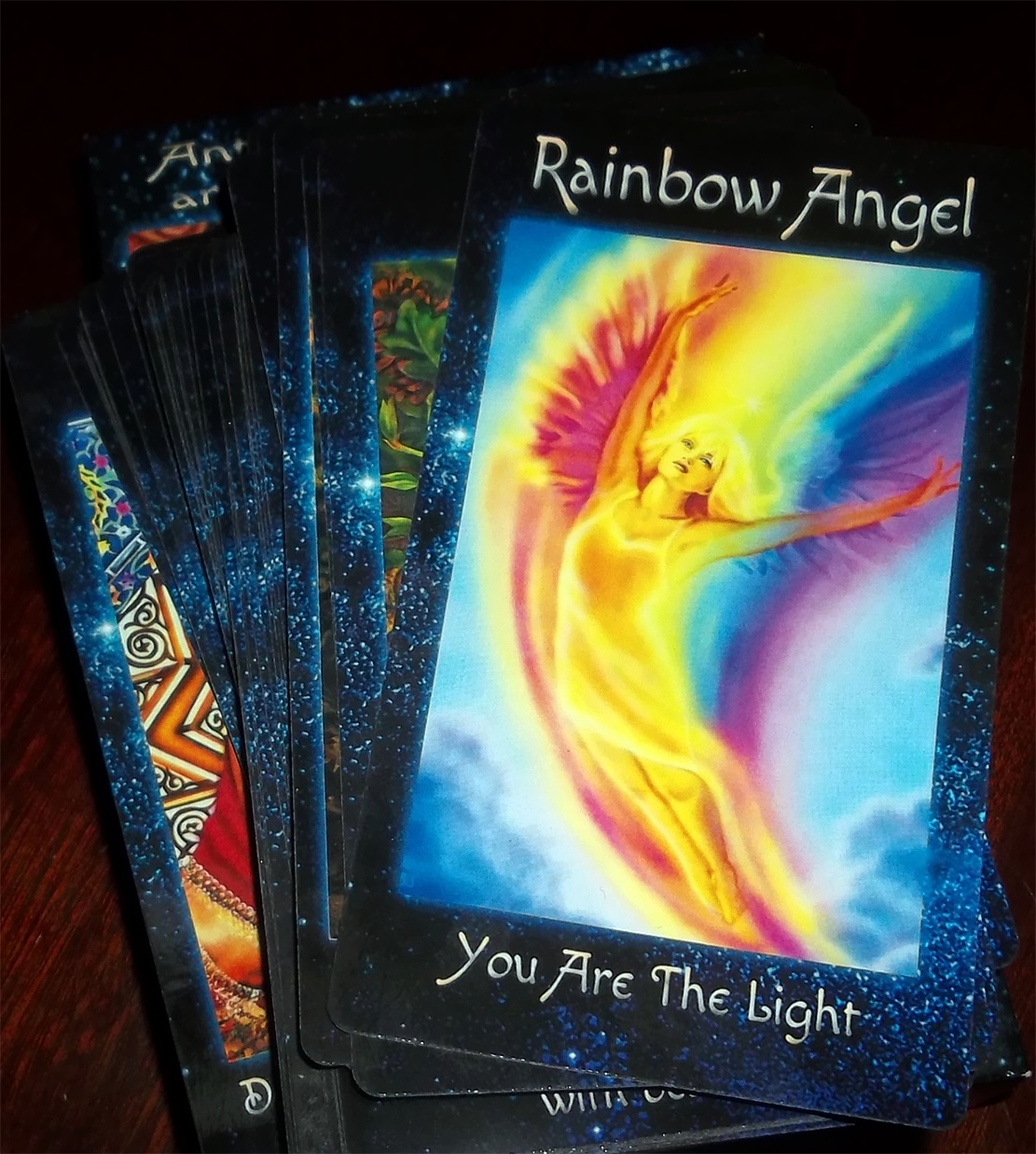
Dive into the Mystical World of the Crystal Wind Oracle Deck! Get All the Enchanting Details Now!
Grab Your Deck Now!NEW Expanded Boxed Edition!
Now with 58 Cards for Richer Wisdom!
The Mobile App

Shatter Illusions - Gain Clarity Now!
Instant Access On:
New! 53-Card Deck for Deeper Wisdom
See What Users Are Raving About!



Quake Watch
Thank You for Visiting CrystalWind!
We’re honored to be part of your journey.
Let’s grow together!
If this space has been meaningful, support it here.
Featured This Month
Page:
Virgo Mythology
“Discover why Virgo embodies pure self-sufficiency” ~Crystal Wind The ancient... Read more
Watermelon Tourmaline

“Discover how rare crystals heal the heart” ~Crystal Wind This rare variety o... Read more

Peridot: The Healer's Stone

Peridot has been used as a Power Stone for centuries. Peridot fosters emotio... Read more
The Vine: September 2nd - September 29th
“Discover how swan grace steadies restless hearts” ~Crystal Wind As the wheel... Read more
Virgo's Featured Stone - Sugilite
“Discover how sugilite builds lasting confidence” ~Crystal Wind In the realm ... Read more
Sweet Violet

“Discover how violets awaken faithful heart powers” ~Crystal Wind These quiet... Read more
Harvest Moon

“Discover how these totems foster balance” ~Crystal Wind Standing at the thre... Read more
Sun in Virgo

“Discover how order becomes living grace” ~Crystal Wind This long-form Virgo ... Read more
Crystals for Virgo

As the warmth of summer begins to soften into the crispness of autumn, the Sun... Read more
Mabon Magic: Ideas For Fall Decoration And R…

Welcome to the season of Fall! As we turn the Great Wheel toward autumn in t... Read more


Mabon in Modern Times: Fresh Takes on the Au…

The Mabon season begins somewhere around the 21st-22nd of September and cont... Read more
Birth Totem - Bear

“Discover why Bear totem brings deep wisdom” ~Crystal Wind Read Time: 6 min |... Read more