
Catastrophic Thinking: Why We Expect Everything to Go Wrong
- Details
- Written by Alue K. Loskotová
- Views: 14737

Understanding catastrophic thinking helps us reclaim our inner safety, joy, and freedom from anxiety about the future.~AndEl
This article is for people who want to understand why catastrophic thoughts happen, where they come from, and how to work with them effectively, so life is not lived constantly anticipating disaster.
Clients often approach me with problems related to catastrophic thinking. Because this issue comes up frequently, I thought it would be useful to write an article—not just to supplement therapy sessions.
The Problem Has a Logical Cause
No matter what happens, these individuals are constantly haunted by the fear that something will go wrong. In their minds, it is not a question of “if” but “when.” This constant anticipation paralyzes them. It is persistent tension—an anxiety that can ruin a good day and sabotage important life decisions. If I live in a world where everything always goes wrong, I am afraid to try, start, or change anything.
Although I work with this in spiritual therapy—closely related to stored trauma and psychic energies in the spiritual body—we must not forget the root causes: life experiences and past trauma.
This does not arise out of thin air. It is a protective pattern formed in the past. It was a compensatory mechanism that helped us survive in challenging times. But now, it can become an obstacle we cannot overcome simply by saying, “Just don’t think about it.”
It is not a fleeting thought but a long-term psychic program that systematically sabotages our joy, relationships, abundance, and sense of safety. In psychology, this is called catastrophizing.
What Catastrophic Thinking Is
Catastrophic thinking is a cognitive pattern in which the mind automatically predicts the worst possible outcome, overestimates danger, and associates any positive event with an expected “punishment” in the form of misfortune.
These thoughts often arise spontaneously, not from rational reasoning, and people may only notice them in hindsight. It is neither pessimism nor a “negative personality.” It is a learned brain strategy that once had a protective function.
How It Shows Up in Everyday Life
Clients describe situations like these:
- A woman fears taking an important trip because she worries something will happen, so she stays home.
- A woman avoids a critical medical exam because she fears someone might harm her.
- A woman torments herself by imagining her partner dying instead of sleeping.
- A man feels fear whenever experiencing joy because past experiences taught him happiness always turns into suffering. He believes anticipating joy invites disaster.
It is not about a single topic. Patterns appear in areas such as:
- Relationships (loss, abandonment, death)
- Health (illness, physical failure)
- Property (loss, destruction, theft)
- Work and abundance (failure, burnout, financial loss)
- Joy itself (fear that enjoying life invites catastrophe)
The common thread: associating positive experiences with threat. Enjoying life feels dangerous because catastrophe might follow.
Why It Develops
Surprisingly, the brain develops catastrophic thinking to protect us. It is a long-term adaptation of the nervous system to past environments.
Examples include:
- Experiencing sudden loss of good things: Repeated trauma teaches the brain: joy → loss → pain. The brain begins to monitor and suppress happiness to avoid future harm.
- Childhood without stable safety: Growing up with unpredictable adult reactions, sudden punishments, or emotional neglect can develop anticipatory anxiety. The brain learns to “stay ahead” of potential threats.
- Hypervigilance of the nervous system: The body and mind operate constantly on high alert: “I must be ready. If I relax, something bad will happen.” This protective mechanism is now overused and counterproductive.
Why We Can’t Just “Stop Thinking That Way”
Catastrophic thinking does not originate in the rational brain but in the limbic system, body memory, and nervous system. Positive thinking or rational arguments do not work. The brain is seeking safety, not truth.
Building inner competence is the first step. Recognize: I am capable. I have the resources. I am the safety. This begins the process of healing and gradually allows other steps to follow. Inner adult maturity is what truly heals trauma.
Consequences of Doing Nothing
Long-term catastrophic thinking suppresses joy, avoids relationships, sabotages abundance, causes chronic nervous fatigue, and creates a constant feeling of unease. Externally, a person may appear functional, but internally lives in constant anticipation of threat, often developing compensatory behaviors to cope.
Practical Steps to Work With It
- Recognize the pattern: Notice recurring thought structures like “What if…?” or “It will definitely happen…”
- Separate thought from reality: Understand: “This is not a premonition, it is a learned anxious program.”
- Teach the brain new experiences: Allow yourself safe moments of joy. Gradually rewrite the old equation: joy ≠ punishment.
Therapy approaches that include the body and nervous system are effective, such as somatic therapy, trauma work, nervous system regulation, and deep subconscious processing. The goal is not to eliminate thoughts but to restore inner safety, reduce hypervigilance, and rewrite the association of joy with threat.
Good News
Catastrophic thinking is not a personality disorder. You are not broken. It is a learned protective mechanism. Once your body and nervous system learn that joy is safe, the mind naturally calms, restoring trust in life and others.
If needed, spiritual therapy can provide a safe space to work with this psychic energy and release it from the body.
Image and Translation by CrystalWind.ca
Credit

© Alue K. Loskotová, www.aluska.org 2026
Website: Aluska Website - Email: Email Us
© 2026. All original wisdom belongs to its creator. CrystalWind.ca honors this truth by adding design, formatting, and imagery to uplift your experience. Please respect the creator’s rights—redistribution or commercial use is not permitted without permission.

Enjoyed this article? Continue your journey with AromaWorx – wellness & aromatherapy , and support us at Support Crystal Wind™ .
Share your thoughts below! 



















































Support CrystalWind
Free spiritual inspiration since 2008
Help keep CrystalWind free and growing with a small contribution.
Buy us a coffee
Donate with PayPal


Latest Articles


✨ Digital Treasures ✨
The Crystal Wind Oracle
58-card deck • Lisa Iris art • ⭐⭐⭐⭐⭐
58-card deck • Lisa Iris art • ⭐⭐⭐⭐⭐
Crystal Lover's Handbook
67 crystals A–Z • chakras • healing uses
67 crystals A–Z • chakras • healing uses
Alchemy of Consciousness
Shift your reality from the inside out
Shift your reality from the inside out
Messages from the Archangels
Channeled guidance for your path
Channeled guidance for your path
Starseed Field Guide
Your mission • your origins • your tribe
Your mission • your origins • your tribe
Crystal & Mineral Wallchart
50+ stones • quick-reference • printable
50+ stones • quick-reference • printable
Complete Zodiac Collection
12 Lisa Iris prints • frame it • gift it
12 Lisa Iris prints • frame it • gift it
Zazzle Shop
Prints • posters • puzzles • gifts
Prints • posters • puzzles • gifts
Support CrystalWind.ca
Keep the light on • you have our gratitude
Keep the light on • you have our gratitude
✦ CRYSTAL WIND™ NETWORK ✦
- ✦ AscensionPulse.com — Ascension News
- ✦ LisaIris.com — Visionary Art
- ✦ ReikiWorks.ca — Energy Healing
- ✦ AromaWorX.ca — Aromatherapy
- ✦ Universal.net — Connecting the World
- ✦ NoBody.com — Be a Nobody

The Physical Card Deck
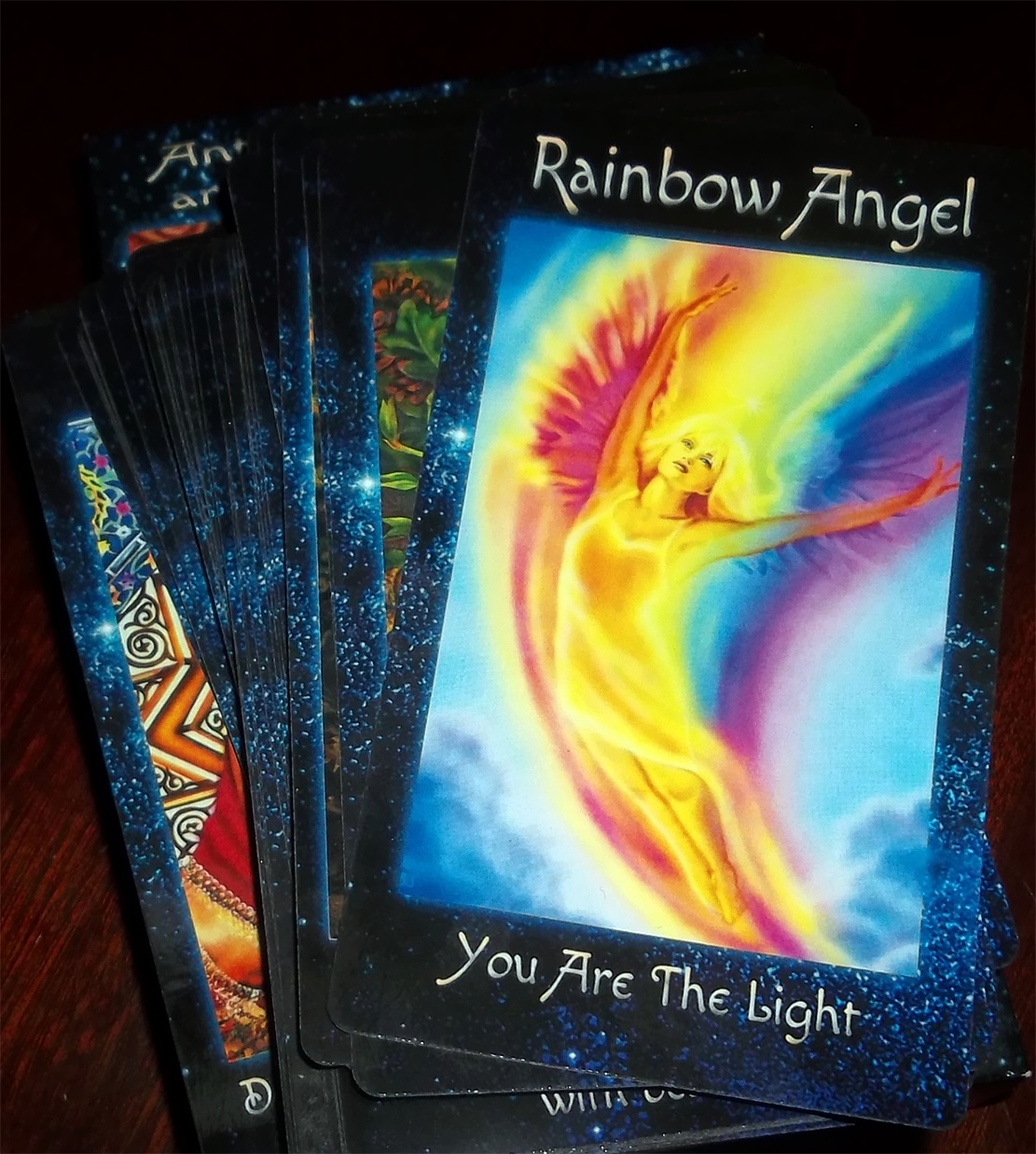
Dive into the Mystical World of the Crystal Wind Oracle Deck! Get All the Enchanting Details Now!
Grab Your Deck Now!NEW Expanded Boxed Edition!
Now with 58 Cards for Richer Wisdom!
The Mobile App

Shatter Illusions - Gain Clarity Now!
Instant Access On:
New! 53-Card Deck for Deeper Wisdom
See What Users Are Raving About!



Quake Watch
Thank You for Visiting CrystalWind!
We’re honored to be part of your journey.
Let’s grow together!
If this space has been meaningful, support it here.
Featured This Month
Page:
Sweet Violet

“Discover how violets awaken faithful heart powers” ~Crystal Wind These quiet... Read more
Birth Totem - Bear

“Discover why Bear totem brings deep wisdom” ~Crystal Wind Read Time: 6 min |... Read more
Mabon in Modern Times: Fresh Takes on the Au…

The Mabon season begins somewhere around the 21st-22nd of September and cont... Read more
Watermelon Tourmaline

“Discover how rare crystals heal the heart” ~Crystal Wind This rare variety o... Read more
Sun in Virgo

“Discover how order becomes living grace” ~Crystal Wind This long-form Virgo ... Read more
Harvest Moon

“Discover how these totems foster balance” ~Crystal Wind Standing at the thre... Read more
Mabon Magic: Ideas For Fall Decoration And R…

Welcome to the season of Fall! As we turn the Great Wheel toward autumn in t... Read more

Peridot: The Healer's Stone

Peridot has been used as a Power Stone for centuries. Peridot fosters emotio... Read more

Crystals for Virgo

As the warmth of summer begins to soften into the crispness of autumn, the Sun... Read more
Virgo Mythology

“Discover why Virgo embodies pure self-sufficiency” ~Crystal Wind The ancient... Read more
The Vine: September 2nd - September 29th

“Discover how swan grace steadies restless hearts” ~Crystal Wind As the wheel... Read more

Virgo's Featured Stone - Sugilite
“Discover how sugilite builds lasting confidence” ~Crystal Wind In the realm ... Read more