You are here: Home  Eureka! Cosmic Stargate Cosmic Events Geminid Meteor Shower 2025: Viewing Guide & Tips
Eureka! Cosmic Stargate Cosmic Events Geminid Meteor Shower 2025: Viewing Guide & TipsOrionid Meteor Shower 2025 Is a Must-See Event
- Details
- Written by And-El
- Views: 13101
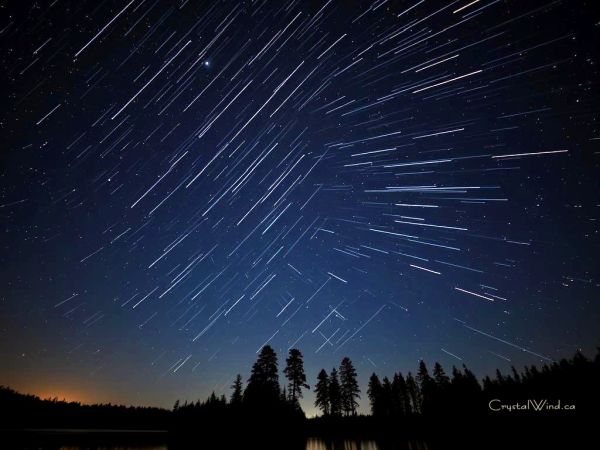
The 2025 Orionid Meteor Shower is shaping up to be one of the year’s most exciting sky shows, drawing stargazers from every corner of the globe.
This annual spectacle happens when Earth passes through a cloud of debris left behind by Halley's Comet. The result? Dozens of quick, bright meteors that appear to streak out from the constellation Orion.
In this guide, you’ll find everything you need to catch the 2025 Orionid Meteor Shower at its best: peak dates, ideal viewing times, what kind of meteor rates to expect, and where to get the clearest views. We’ve also got some fascinating facts for both veteran astronomers and those who just like a good night under the stars. Let’s get started.
What is the Orionid Meteor Shower?
The Orionid Meteor Shower rolls around every year, exciting stargazers everywhere. It’s caused by Earth moving through streams of dust and ice left by Halley’s Comet—one of the most famous comets in our solar system.
Origins and Historical Background
The Orionids are named for the constellation Orion, where the meteors seem to radiate from. Observers have been tracking this shower since at least the 1800s, but it’s possible that ancient sky-watchers noticed it even earlier.
This is one of the oldest meteor showers we know about, and its appearance has been recorded by different cultures throughout history.
Significance in Astronomical Events
For astronomers, the Orionids are more than just a pretty show—they’re a chance to study the makeup of comets and learn more about how our solar system formed and changed over time.
|
Key Facts About the Orionid Meteor Shower |
Details |
|
Origins |
Debris field left by Halley's Comet |
|
Radiant Point |
Orion Constellation |
|
Historical Records |
Dating back to the 19th century |
|
Significance |
Insights into comet composition and solar system dynamics |
"The Orionid Meteor Shower is a celestial event that has captivated stargazers for centuries, offering a glimpse into the mysteries of our solar system."
2025 Orionid Meteor Shower: Peak Dates
The 2025 Orionid Meteor Shower is expected to peak on October 21-22, 2025. That’s when you’ll see the most meteors per hour, as Earth plows through the densest part of Halley’s debris trail.
The Orionids are visible for several days on either side of the peak—they’re active from about mid-October to early November—so you have a good window to catch at least a few meteors even if you miss the main event.
- The 2025 Orionid Meteor Shower will peak October 21-22, 2025.
- Meteor activity is visible several nights before and after the peak, from mid-October to early November.
- For the best rates, aim to watch on the peak dates.
If you want to make the most of the 2025 Orionid Meteor Shower, mark those dates now. A clear night under the stars could become your favorite memory of the year.
"The Orionids are one of the most impressive meteor showers of the year, offering a spectacular display of celestial fireworks." - Dr. Jane Doe, Astronomer
Best Viewing Times for the 2025 Orionids
Your best shot at seeing Orionids in 2025 will be in the pre-dawn hours, between midnight and sunrise, when Orion climbs high in the sky. That’s when the show really gets going.
Optimal Hours for Meteor Watching
The prime time for the 2025 Orionid Meteor Shower is 2 am to 5 am local time. This is when Orion is highest and the sky is darkest—perfect for meteor spotting. Early risers will be rewarded with the brightest and most frequent meteors.
To improve your odds, pick a spot with as little artificial light as possible. Dark sky sites—like rural fields or high ground—are best. Don’t forget to let your eyes adjust for 20–30 minutes in the dark, so you can catch even the faintest meteors.
|
Location |
Optimal Viewing Hours (Local Time) |
|
Rural Areas |
2 am - 5 am |
|
Urban Areas |
3 am - 5 am |
Set your alarm and plan ahead—catching the Orionids at their best is worth a little lost sleep.
Meteors Per Hour: Expected Rates
At its 2025 peak, the Orionid Meteor Shower typically produces about 20–30 meteors per hour. Actual numbers depend on your location, weather, and how bright the moon is that night. Meteor showers can be unpredictable, so don’t be disappointed if your count is higher or lower—it’s all part of the experience.
To catch more meteors, head for dark, open spaces far from city lights and let your eyes adapt to the darkness for at least 20 minutes. With good conditions, 2025 should bring a solid show.
And remember—the 2025 Orionid Meteor Shower is just one of several sky events this year. Stay curious, stay prepared, and you’ll have plenty of chances to marvel at the universe.
2025 Orionid Meteor Shower: All the Details
The 2025 Orionid Meteor Shower promises to thrill skygazers across the world again. Every October, Earth sweeps through the leftover dust from Halley’s Comet, resulting in this brilliant display.
The meteors appear to shoot out from Orion, giving the shower its name.
This year, the shower peaks on October 21-22, 2025. The best viewing is just before dawn, when Orion is highest.
On a clear, dark night, you might see up to 20 meteors per hour—sometimes even more.
Origins and Historical Significance
The Orionid Meteor Shower happens as Earth passes through dust left by Halley’s Comet, which swings by our planet about every 75–76 years. Cultures all over the world have watched and recorded Halley’s appearances, and its debris gives us several meteor showers, including the Orionids.
For astronomers, the Orionids are a window into the past—each streak is a tiny piece of a comet that’s been circling the Sun for eons.
Ideal Viewing Locations
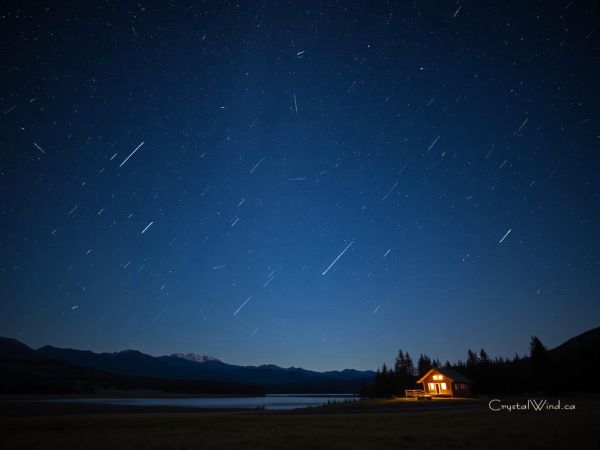
For the best Orionid views in 2025, get away from city lights. Dark sky sites—national parks, remote countryside, or mountaintops—offer the clearest skies and the most meteors.
If you’re stuck in an urban area, don’t give up—just get as far from streetlights and tall buildings as you can. A clear view to the east helps, too.
Exploring Dark Sky Sites
National parks and natural reserves are perfect for Orionid viewing in 2025. They’re usually free from city glare and offer wide horizons. Here are a few favorites:
- Grand Canyon National Park, Arizona
- Glacier National Park, Montana
- Acadia National Park, Maine
- Mauna Kea, Hawaii
Higher elevations—mountains and desert plateaus—also give you a better shot at a clear sky and more meteors.
Finding Meteors in Urban Areas
If you’re in a city, your best bet is to seek out parks, rooftops, or any high spot away from bright lights. Even in town, a little effort can unveil the Orionids’ magic.
"The night sky is a canvas, and the Orionids are nature's masterpiece. Finding the right viewing location is the first step to immersing yourself in this celestial wonder."
Tips for Successful Meteor Viewing
To get the most out of the 2025 Orionid Meteor Shower, plan ahead: find a wide-open space away from bright lights, bring a blanket or reclining chair, and dress for chilly early-morning temperatures.
Let your eyes adjust to the dark for at least 20 minutes before peak viewing time. Keep looking up and scanning the sky—meteors can flash anywhere, not just near Orion.
- Select a location with a clear, unobstructed view of the night sky
- Dress warmly and bring a comfortable chair or blanket
- Allow your eyes to adjust to the darkness for at least 20 minutes
- Scan the entire sky, as meteors can appear anywhere overhead
- Consider using a star chart or meteor shower app to help identify the Orion constellation and the shower's radiant point
Star charts and meteor shower apps can help you find Orion and the radiant point—useful for first-timers and seasoned observers alike.
|
Tip |
Description |
|
Choose a dark location |
Avoid areas with bright lights, which can interfere with your ability to see the meteors |
|
Dress appropriately |
Meteor watching can be a lengthy activity, so dress warmly to stay comfortable |
|
Use a star chart |
Identify the Orion constellation and the shower's radiant point to better track the meteors |
|
Be patient and scan the sky |
Meteors can appear anywhere overhead, so keep your eyes peeled and be ready to spot them |
With these tips, you’ll be ready for an unforgettable meteor shower experience in 2025.
Fascinating Facts About Meteor Showers
"Stunning night sky filled with radiant meteors streaking across the cosmos, vibrant colors blending in the darkness, celestial bodies illuminating the scene, a soft glow of stars in the background, dynamic movement suggesting the formation of a meteor shower, no text or characters, serene and captivating atmosphere."
When Earth plows through a comet’s debris field, those tiny grains burn up in our atmosphere and create the streaks we know as meteors. Meteor showers like the Orionids give us clues about how our solar system came to be.
Formation and Composition
Most meteor showers are the legacy of comets that have shed pieces as they travel around the Sun. As Earth orbits through these trails, bits of rock and ice hit our atmosphere and light up the sky.
- Meteors can be made of metals, minerals, and even organic compounds.
- The makeup of a meteor depends on whether it came from a comet or an asteroid.
- Studying meteor showers helps scientists learn about the building blocks of our solar system.
Meteor showers give us a peek into our solar system's history and evolution. They show us the materials that have orbited the Sun for billions of years.
"Meteor showers are like celestial fireworks, a stunning display of the dynamic nature of our solar system." - Dr. Sara Anwar, Astrophysicist
Stargazing Etiquette and Safety
If you’re out to catch the 2025 Orionid Meteor Shower, remember a few simple rules for a safe and enjoyable night. Use red lights (or a red filter on your phone) to preserve night vision—bright white lights can ruin the view for everyone.
Be careful in the dark: watch your step, keep an eye out for wildlife, and check in with your group. These small habits make the experience safer and more pleasant for all.
- Use a red light or cover your smartphone screen with a red filter to preserve night vision
- Be mindful of your surroundings and potential hazards, such as uneven terrain or wildlife
- Communicate with your fellow stargazers to ensure everyone's safety and enjoyment
By following these stargazing tips, you’ll make the most of the 2025 Orionid Meteor Shower—sharing the beauty and wonder of the night sky with care and respect.
"The night sky is a canvas for the universe's most breathtaking works of art. Let's enjoy it together, with respect and wonder."
Other Celestial Events in 2025
Whether you’re new to astronomy or a seasoned observer, 2025 is packed with reasons to look up. Watching and appreciating these cosmic events helps us connect with the universe—and with each other.
© 2025 CrystalWind.ca. All rights reserved. Formatting, layout, and imagery by CrystalWind.ca. This article is presented for educational and spiritual awareness. Rights remain with CrystalWind.ca and the original author. Explore the Crystal Wind Oracle Myth & Magic Deck which guides thousands on their spiritual paths. Discover more at CrystalWind.ca. Support our work: Donate. Connect with #LightWarrior, #SpiritualJourney, #Awakening, #CrystalHealing, #Ascension, #SpiritualGrowth, #EnergyUpdate, #Crystalwind, #PleiadianLight.

Enjoyed this article? Continue your journey with AromaWorx – wellness & aromatherapy , and support us at Support Crystal Wind™ .
Share your thoughts below! 
Recommended Tools & Resources
As an Amazon Associate we earn from qualifying purchases.
Keep CrystalWind.ca free—your gift matters now!
Help us spread light today. Thank you, supporters!

Support CrystalWind
Free spiritual inspiration since 2008
Help keep CrystalWind free and growing with a small contribution.
Buy us a coffee
Donate with PayPal


Latest Articles


✨ Digital Treasures ✨
The Crystal Wind Oracle
58-card deck • Lisa Iris art • ⭐⭐⭐⭐⭐
58-card deck • Lisa Iris art • ⭐⭐⭐⭐⭐
Crystal Lover's Handbook
67 crystals A–Z • chakras • healing uses
67 crystals A–Z • chakras • healing uses
Alchemy of Consciousness
Shift your reality from the inside out
Shift your reality from the inside out
Messages from the Archangels
Channeled guidance for your path
Channeled guidance for your path
Starseed Field Guide
Your mission • your origins • your tribe
Your mission • your origins • your tribe
Crystal & Mineral Wallchart
50+ stones • quick-reference • printable
50+ stones • quick-reference • printable
Complete Zodiac Collection
12 Lisa Iris prints • frame it • gift it
12 Lisa Iris prints • frame it • gift it
Zazzle Shop
Prints • posters • puzzles • gifts
Prints • posters • puzzles • gifts
Support CrystalWind.ca
Keep the light on • you have our gratitude
Keep the light on • you have our gratitude
✦ CRYSTAL WIND™ NETWORK ✦
- ✦ AscensionPulse.com — Ascension News
- ✦ LisaIris.com — Visionary Art
- ✦ ReikiWorks.ca — Energy Healing
- ✦ AromaWorX.ca — Aromatherapy
- ✦ Universal.net — Connecting the World
- ✦ NoBody.com — Be a Nobody

The Physical Card Deck
Dive into the Mystical World of the Crystal Wind Oracle Deck! Get All the Enchanting Details Now!
Grab Your Deck Now!NEW Expanded Boxed Edition!
Now with 58 Cards for Richer Wisdom!
The Mobile App

Shatter Illusions - Gain Clarity Now!
Instant Access On:
New! 53-Card Deck for Deeper Wisdom
See What Users Are Raving About!



Quake Watch
Articles: The Founders
Articles: Cosmic Neighbours
Articles: Galactic History
Thank You for Visiting CrystalWind!
We’re honored to be part of your journey.
Let’s grow together!
If this space has been meaningful, support it here.
Featured This Month
Page:
The Vine: September 2nd - September 29th
“Discover how swan grace steadies restless hearts” ~Crystal Wind As the wheel... Read more
Peridot: The Healer's Stone
Peridot has been used as a Power Stone for centuries. Peridot fosters emotio... Read more
Mabon Magic: Ideas For Fall Decoration And R…

Welcome to the season of Fall! As we turn the Great Wheel toward autumn in t... Read more


Virgo's Featured Stone - Sugilite
“Discover how sugilite builds lasting confidence” ~Crystal Wind In the realm ... Read more
Crystals for Virgo

As the warmth of summer begins to soften into the crispness of autumn, the Sun... Read more
Sweet Violet

“Discover how violets awaken faithful heart powers” ~Crystal Wind These quiet... Read more

Virgo Mythology

“Discover why Virgo embodies pure self-sufficiency” ~Crystal Wind The ancient... Read more
Watermelon Tourmaline
“Discover how rare crystals heal the heart” ~Crystal Wind This rare variety o... Read more
Mabon in Modern Times: Fresh Takes on the Au…

The Mabon season begins somewhere around the 21st-22nd of September and cont... Read more
Birth Totem - Bear

“Discover why Bear totem brings deep wisdom” ~Crystal Wind Read Time: 6 min |... Read more
Sun in Virgo

“Discover how order becomes living grace” ~Crystal Wind This long-form Virgo ... Read more
Harvest Moon

“Discover how these totems foster balance” ~Crystal Wind Standing at the thre... Read more