Leonid Meteor Shower 2021
- Details
- Written by CrystalWind.ca
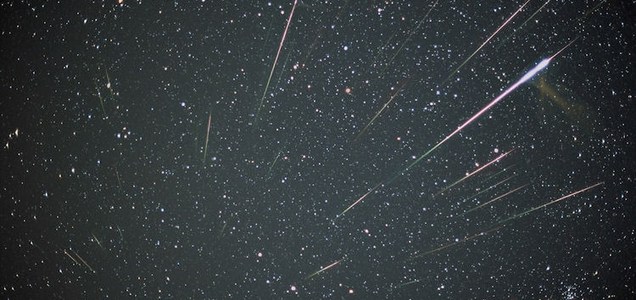
The Leonid meteor shower will be active from November 6-30, producing its peak rate of meteors around November 17-18.
Although only 10-15 meteors are created an hour, half of them leave a long-lasting trail across the sky. Leonids will peak during bad moon conditions and the moon will be 95% full on the night of Nov. 16.
The Leonid meteor storm on November 16, 1833, is assessed to have delivered up to 200,000 falling stars 60 minutes!
November’s wonderful Leonid meteor shower happens every year around November 17 or 18, as our world crosses the orbital path of Comet 55P/Tempel-Tuttle. Like many comets, Tempel-Tuttle litters its orbit with bits of debris. It’s when this cometary debris enters Earth’s atmosphere and vaporizes that we see the Leonid meteor shower.
In 2021, the peak of the shower is expected to be from midnight to dawn on Thursday, November 18. However, a waxing gibbous moon will light up the morning sky this year, to obtrude on this year’s Leonid meteor shower. In a dark sky, absent of moonlight, you can see up to 10 to 15 meteors per hour at its peak.
When to see them
When should you watch for Leonid meteors in 2021? Knowing what time to watch is easy. As with most meteor showers, the best time to watch the Leonids is usually between the hours of midnight and dawn. The expected peak morning is Thursday, November 18. That’s the morning (not the evening) of November 18. :)
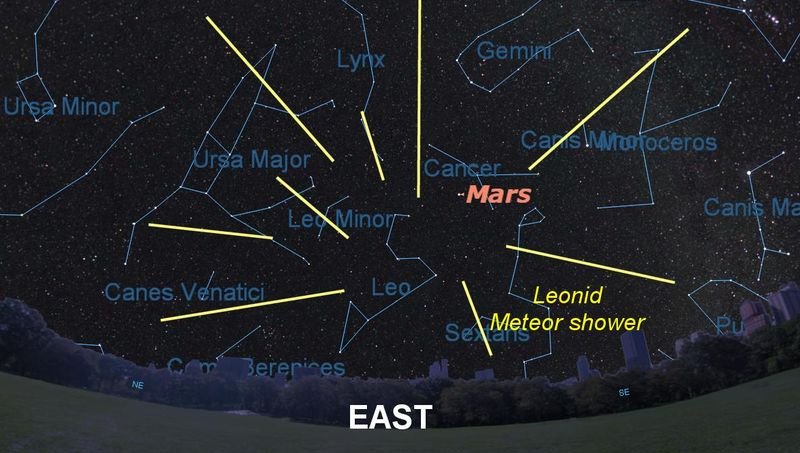
Where to see the Leonids
The Leonid meteor shower gets its name from the constellation Leo, where its meteors appear to originate. But you can look in just about any direction to enjoy the show, said NASA meteor expert Bill Cooke. If you directly face Leo, you may miss the meteors with longer tails.
Although the meteor shower might be a bit easier to see from the Northern Hemisphere, skywatchers in the Southern Hemisphere should be able to see the show as well. "They're not quite as good, but almost as good," said Cooke. "The Leonids are an OK shower from the Southern Hemisphere."
What causes the Leonids?
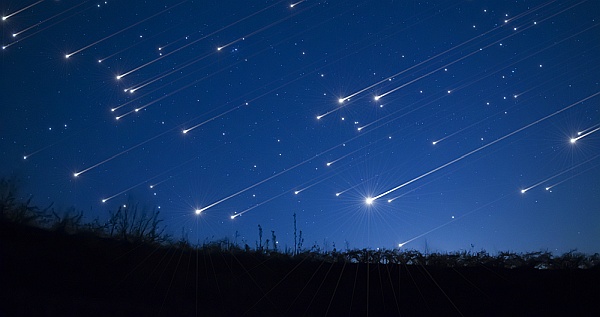
The Leonid meteor shower happens every year in November, when Earth's orbit crosses the orbit of Comet Tempel-Tuttle. The comet makes its way around the sun every 33.3 years, leaving a trail of dust rubble in its wake.
When Earth's orbit crosses this trail of debris, pieces of the comet fall toward the planet's surface. Drag, or air resistance, in Earth's atmosphere cause the comet's crumbs to heat up and ignite into burning balls of fire called meteors. [How Comets Cause Meteor Showers]
These comet crumbs are usually the size of a grain of sand or a pea, so they tend to burn up entirely before striking Earth's surface. Meteors that survive the whole journey to the ground are called meteorites. But the Leonid meteor shower likely won't deliver any meteorites.
What do you need to see them?
Meteors will be visible to the naked eye, so you won't need any special equipment to see them.
"Go outside, find a dark sky, lie flat on your back and look straight up," Cooke said, "and be prepared to spend a couple of hours outside."
Given that the meteors are fairly sparse and take place during a cold time of year, it is best to bundle up, relax.



Liked this article? Dive deeper into personal growth and wellness! Check out CrystalWind.ca for spiritual wisdom or explore AromaWorx.ca for natural well-being tips. Spread the positivity—share this with friends on their happiness journey!
Let’s Chat! Drop Your Thoughts Below! 
Keep CrystalWind.ca free—your gift matters now!
Help us spread light today. Thank you, supporters!

Latest Articles


Dive into the Mystical World of the Crystal Wind Oracle Deck!
Get All the Enchanting Details Now!
NEW Expanded Boxed Edition!
Now with 58 Cards for Richer Wisdom!
Shatter Illusions – Gain Clarity Now!
Instant Access On:



Imagine a world of inspiration and healing, free for all—made possible by YOU!
Donate Now—Ignite the Magic at CrystalWind.ca!

Epilepsy - Finding A Cure
Your donation can make a difference!
Help us find a cure – donate now!
Unlock Your Light: Join Lightworkers Worldwide on CrystalWind.ca!
Call For Writers

Articles: The Founders
Articles: Cosmic Neighbours
Articles: Galactic History
Follow Us!

Featured This Month
Page:
Mabon in Modern Times: Fresh Takes on the Au…
The Mabon season begins somewhere around the 21st-22nd of September and cont... Read more
The Vine: September 2nd - September 29th
The Autumnal Equinox ( Alban Elfed ) Celtic Symbol : The White Swan Read more
Virgo Mythology
The Virgo Myth In all of constellation mythology, few legends are as misund... Read more

Peridot: The Healer's Stone
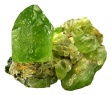
Peridot has been used as a Power Stone for centuries. Peridot fosters emotio... Read more
Sun in Virgo

An Overview of Sun Sign Characteristics for Virgo Virgo is guided by Mercur... Read more


Mabon Magic: Ideas For Fall Decoration And R…
Welcome (almost!) to Fall! We’re turning the Great Wheel once again, toward ... Read more

Sweet Violet

Sweet Violet Faithfulness and modesty. “I will always be true to you.” Helps... Read more
Watermelon Tourmaline
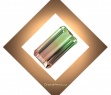
Synonym: Rainbow Tourmaline The watermelon tourmaline is a rare variety t... Read more
Crystals for Virgo
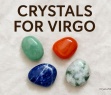
As the warmth of summer begins to soften into the crispness of autumn, the Sun... Read more